


24/25 passenger bill grows 3%
Revenue grows by 11% but costs rise by 8.5%
 The passenger rail industry’s finances deteriorated in 2024/25, according to figures published recently by the Office of Rail and Road (ORR)*. The result was a widening of the deficit on the passenger business requiring taxpayer support of £4.2 billion.
Total passenger income during the year was £11.25 billion, 11.1% ahead of the previous year in cash terms. A further £692m (Last Year: £661m) of other operating income brought the total revenue to £11.9 billion, 10.7% up. Operating costs during the year totalled £15.8 billion, 8.5% up on the previous year, leaving a £3.82 billion deficit. This was 1.9% higher than in 2023/24.
The government paid £4.18 billion in subsidies to the train operating companies, leaving them an operating profit of £366m, at a margin of 3.1%. This gave the operators a 2.3% uplift on operating costs.
Despite the substantial growth, ticket revenue figures remained below pre-Covid numbers, though the gap narrowed significantly again. In 2022/23, gap was 35%. Last year, it had narrowed to 19.8% and this year it was down to 10.9% - a shortfall of just under £1.4 billion. Other income remained 44% short of pre-Covid levels, meaning that total revenue remains 13.9% short of full recovery. Costs, meanwhile, were 11.4% higher than before the pandemic.
The figures also give some breakdown of operating costs, enabling us to look at both their movement and the percentage breakdown. Highlights include:
- The largest component was staff costs, which, at £4.45 billion, represented 28.2% of the total. This was 8.6% up on 2023/24 and 8.8% higher than in 2018/19.
- Track access charges paid to Network Rail totalled £4.29 billion, accounting for 27.2% of the total. The figure was 7.7% up on the year, and 24.6% higher than pre-Covid.
- Rolling stock charges were the third highest component, on 26.1%, giving a total figure of £4.12 billion. This represented an increase of 23.8% over the previous year and 35.4% over 2018/19. For the first time, ORR gives a breakdown of this spending, into leasing charges (£2.73 billion, 17.3% of total costs), maintenance charges (£1.45 billion, 9.2%) and other (a credit of £61m).
- Diesel fuel is the smallest component identified separately, accounting for 2.2% of total costs. The £344 million total was 4.6% down on the previous year, and 1.4% down on 2018/19’s figure.
- The balance of costs, comprising 16.2%, covered other operating costs. The total, at £2.55 billion, was 7.5% up on the previous year, and 19.9% below 2018/19.
Looking at sector performance, the InterCity operators saw revenue growth of 10.0%, whilst operating costs rose by 10.1%. The subsidy requirement rose by 11.8% to £555m, but income remained 15.6% below the 2018/19 total.
London and the South East (excluding the Elizabeth Line) saw higher revenue growth, achieving 11.1%. Operating costs were 8.7% higher, and the subsidy requirement fell by 0.3% to £1.32 billion. Income remained 22.0% below pre-Covid levels. The Elizabeth Line earned revenue of £677m, against costs of operation of £644m. Despite this £33m surplus, a subsidy payment of £106m was made by TfL.
The regional franchises saw revenue growth of 12.6%, whilst costs rose by 6.2%. The subsidy bill totalled £2.25 billion, up by 2.5% from £2.15 billion a year earlier.
Amongst individual TOCs, the largest subsidy was paid to the state-owned ScotRail, at £777m. This public support covered 68% of its total operating costs, with the passenger and other income of £369m covering the operation’s labour costs with £26m to spare. The subsidy was up from £773m a year earlier, and from £528m pre-Covid. The income figure compared with £336m in 2023/24 but is still 24% short of the £487m earned in 2018/19.
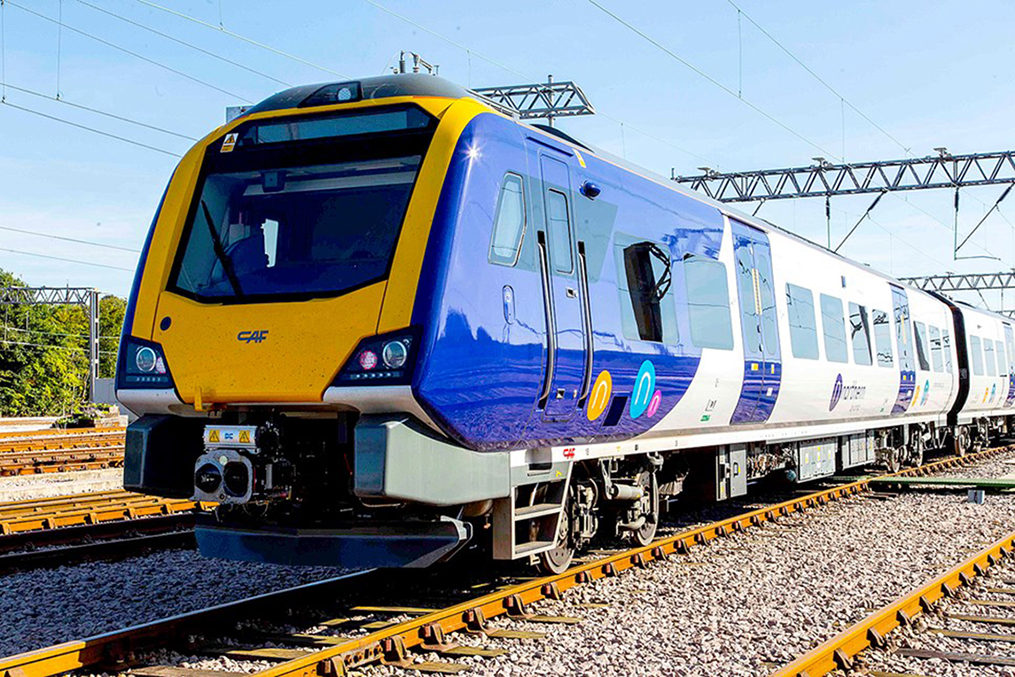
Also topping the £600m figure was another state-run business, Northern. Here, total subsidy of £719m paid for 64% of operating costs. The passenger and other income of £421m managed to pay for 93% of the wage bill. The subsidy bill was up from £652m in 2023/24 and compared with the £428m paid in 2018/19. Income growth of 10.5% was achieved over the previous year’s total of £381m, but still fell 8% short of the £457m received in 2018/19.
At the other end of the scale, two franchises, West Coast Main Line and East Anglia, made premium payments to the DfT. West Coast, run by a FirstGroup/Trenitalia joint venture, remitted £147.3m to government in 2024/25, up from £67.2m paid in 2023/24. The turnround came as revenue grew by 10.5% to reach £1.2 billion, outstripping the 2.8% increase in operating costs.
East Anglia, run by Transport UK Group in joint venture with Mitsui until renationalised in October 2025, paid £126.0m to DfT. This payment was the third successive one and was more than double the £57.8m achieved in 2023/24. However, a continuing revenue shortfall of 11% meant that the premium fell well short of the £269m paid to government in the last pre-Covid year. The company’s £773m worth of income compared with £687m in 2023/24, a gain of 12.6%.
The highest proportional revenue growth was the 27.7% achieved by Caledonian Sleeper, reversing the previous year’s 18.7% decline. Next came TransPennine Express on 23.4% - the operating revenue total was £300.4m , compared with £243.3m in 2023/24, and 20% ahead of the pre-Covid figure of £249m. The growth resulted in a 27.5% reduction in subsidy, which fell to £165m – which is also below pre-pandemic levels.
The only TOC to experience a fall in revenue during the year was Merseyrail, the Serco/Transport UK joint venture, which saw income fall for the second successive year, this time by 6.8%, taking the revenue down to £66.4m. However, the ORR figures show this was the result of a fall in “other income”, whilst income from ticket sales was actually 4.2% ahead at £47.2m. However, despite the growth, ticket sales remained 22.9% below pre-Covid levels.
Comment
As so often in the past, the ORR’s figures offer much of interest, painting a fascinating picture of the rail industry’s finances. For 2024/25, the picture is of an industry still in recovery from the pandemic of 2020 and its ongoing consequences – still grappling, in other words, with the ongoing falls in commuting and business travel, depriving it of season ticket and premium first class and full price revenue.
As a backdrop, the year saw yet more economic and political turmoil, with a change of government to one that was committed to renationalisation (and meant it this time). One of the Starmer government’s first actions was to pass a law mandating the return of train operating companies to state ownership – a process that will take until 2027 to complete. Meanwhile, inflation was on the rise again, and there huge pressures on consumers. The other early action by the new government did at least bring an end to the industrial action that had plagued the industry for several years – even though the root cause of the unrest was not (and still has not been) addressed.
During the year – partly because of the wage increases awarded, the previous downward trajectory of post-Covid revenue support was reversed, as the outlay grew by 3% to £4.18 billion. This ongoing need for huge levels of support is a major concern for the Treasury, especially since they are now permanently on the hook for the totality of the industry’s finances – including paying the huge and growing wage bill and the full measure of revenue risk on the network. Then there is the £7.6 billion bill for Network Rail and other smaller items, taking the total ongoing revenue spending to £11.9 billion. And that’s before the investment bills, which clocked in at £9.5 billion for the year, covering Network Rail enhancements, HS2, the East West rail and the Core Valley lines in South Wales.
With a process of change getting under way this year, and lasting over the next three to five years, observers will be looking for the cost savings promised by the proponents of change. This is to come, they claim, from the “simplification” that the new structure is expected to achieve. Full nationalisation under a revived British Railways organisation is promised to be a part of this process – though these figures illustrate once again the variations in performance across the network and the need for an organisational structure that reflects the widely differing markets that operators currently serve. Meanwhile, the ongoing financial challenges and arguments with the Treasury will certainly not change any time soon.
* - Rail industry finance (UK), April 2024 to March 2025, Office of Road and Rail. Note that previous year figures quoted in this article are as originally published and not adjusted for inflation.